Ultimate Guide to Shingle Roof Repair: Tips, Techniques, and Cost Factors
Shingle roof repair represents a critical part of household care. Property owners frequently face issues like leaks, granule loss, and algae growth. These concerns can cause more significant damage if not handled quickly. Grasping the repair methodology, covering required equipment and methods, is critical. However, understanding when to pursue professional help is equally important. Which factors must one assess when determining repair pricing? The answers are crucial for proper roof maintenance.
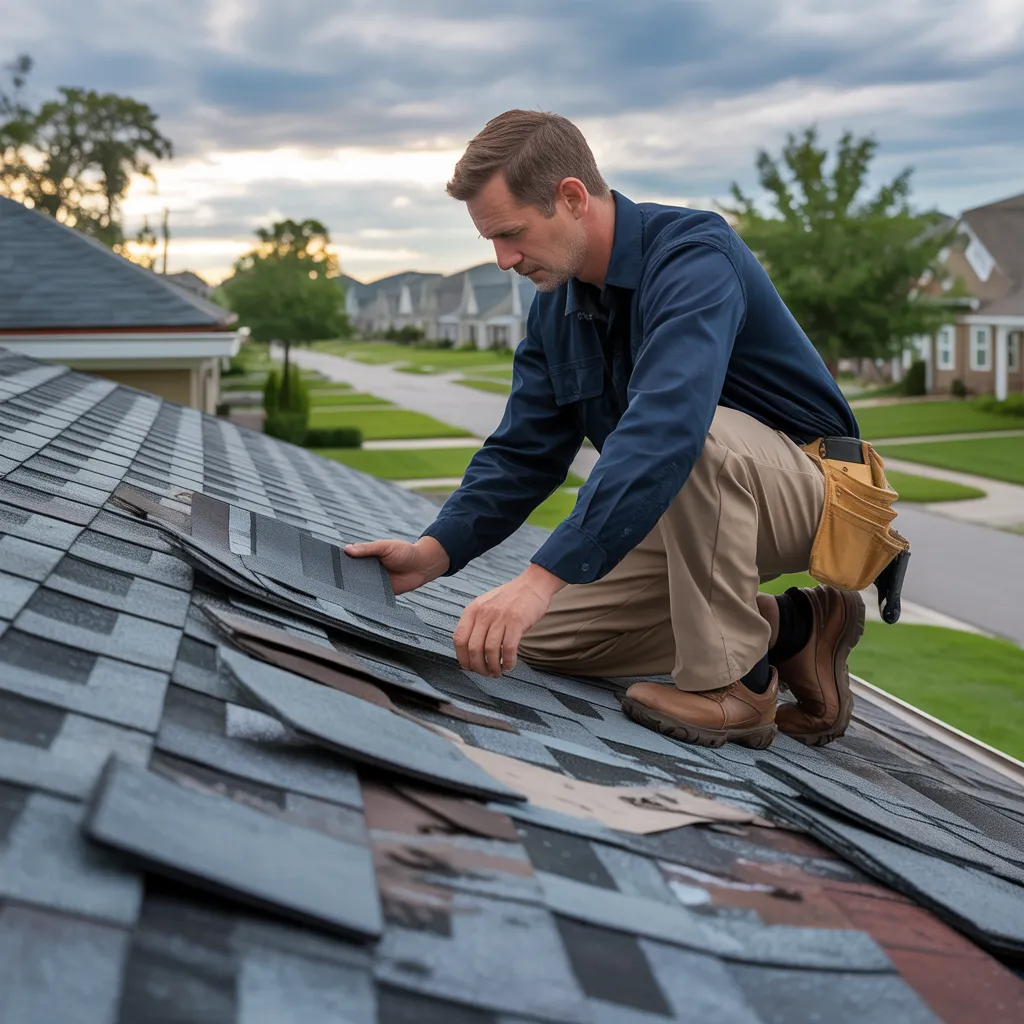
Getting to Know Typical Roof Shingle Challenges
Many homeowners choose shingle roofs, but these can face several problems as they age. A frequent issue involves leak formation, typically resulting from compromised or absent shingles. These leaks can lead to water damage inside the home, prompting urgent repairs. Another issue is granule loss, which occurs when the protective layer of shingles wears away, exposing the underlying materials to the elements. Such wear can considerably decrease the roof's operational duration. Bent or twisted shingles likewise point to concerns, commonly arising from advanced age or inadequate installation, and can threaten the roof's stability. Furthermore, algae or moss development may happen in humid environments, impacting both appearance and potentially causing additional degradation. Periodic assessments assist homeowners in spotting these concerns at early stages, securing quick intervention and lengthening roofing lifespan. Recognizing these frequent challenges is critical for sustaining shingle roofing quality.
Necessary Equipment and Materials for Repair
When tackling shingle roof repairs, keeping the right tools and materials on hand is vital for a successful outcome. Homeowners should collect basic tools such as a roofing hammer, utility knife, and pry bar to remove damaged shingles properly. A measuring tape and chalk line are also beneficial for correct alignment during replacement.
Together with tools, crucial materials include replacement shingles that correspond to the existing roof, roofing nails, and underlayment for enhanced protection. It is recommended to keep roofing cement or sealant accessible for sealing any cracks or gaps. A ladder and safety gear, including gloves and a harness, guarantee safe access and reduce injuries during the repair process.
Comprehensive Step-by-Step Shingle Repair Techniques
Start the shingle repair process by examining the degree of the damage to pinpoint which shingles need replacement. Once the damaged shingles are noted, gather the necessary tools and materials. Next, carefully remove the damaged shingles by lifting the surrounding shingles and taking out the nails with a pry bar. After the shingles are removed, examine the underlying material for any extra damage.
Prepare the new shingles by cutting them to fit, if required. Spread roofing cement underneath the new shingles and place them accurately, verifying they overlap properly with adjacent shingles. Secure the new shingles with roofing nails, positioning them in the appropriate spots to avoid leaks.
Finally, put roofing cement over the nail heads to protect against water penetration. Clear the work area, disposing of any debris appropriately. This method guarantees a sturdy and efficient repair to the shingle roof.
When to Contact a Professional
Examining the condition of a shingle roof can indicate whether a homeowner can complete repairs without help or if professional assistance is necessary. Indicators such as extensive damage, multiple missing shingles, or water leaks signal that professional help may be needed. If the roof is steeply pitched or needs specialized equipment for safe access, it is wise to contact a roofing contractor. Furthermore, homeowners without experience in roofing repairs may potentially cause further damage or personal injury by attempting difficult tasks.
When a roof is older than 20 years, a professional assessment may provide insights into potential long-term solutions. Moreover, roofing specialists can accurately identify underlying issues that might remain hidden from view. Ultimately, when in doubt, enlisting professional assistance ensures that repairs are executed efficiently and without risk, lengthening the roof's service life and preserving your home's structural soundness.
Price Elements to Keep in Mind for Roof Repairs
Expense is a significant consideration property owners need to evaluate when planning roof repairs. Numerous aspects affect the overall expense, including the scope of damage, type of materials required, and labor costs. The nature of the repair—whether it involves fixing a minor leak or replacing whole portions—will also affect the final bill.
Property owners ought to understand that superior materials, like architectural shingles, can increase costs but may offer improved durability and aesthetics. Furthermore, local labor rates can vary markedly, based on the region and the contractor's experience.
Roof accessibility may also influence labor costs; steep or complicated roofs often require more time and specialized equipment. Homeowners ought to also factor in potential hidden issues, like mold or structural damage, which could raise repair costs. Planning for these factors guarantees a more accurate budget and helps avoid unexpected financial strain during the repair process.
Frequently Asked Questions
How Can Future Shingle Roof Damage Be Prevented?
To avoid upcoming shingle roof damage, regular inspections and maintenance are essential. Keeping your gutters free of debris, ensuring proper ventilation, and handling leaks without delay can greatly extend the roof's lifespan and preserve its structural soundness against environmental conditions.
What Signs Indicate a Roof Is Failing?
Signs of a failing roof include bent or missing roof shingles, noticeable leaks, professional guide water discoloration on ceilings, sagging areas, granules collecting in your gutters, and higher utility costs. Early assessment is vital to prevent further damage.
Can Roof Shingles Be Fixed in Winter?
While roof shingles can be repaired in winter months, cold weather may compromise adhesion and flexibility. It's essential to work with suitable materials designed for low temperatures and ensure safety precautions are followed during the repair process.
How Long Do Shingle Roofs Typically Last?
Shingle roofs typically last between 20 to 30 years, based on factors such as material quality, climate conditions, and care. Periodic inspections and quick repairs can extend their lifespan considerably, guaranteeing optimal performance over time.
When Is the Ideal Time of Year for Repairs?
The best time for shingle roof repairs is in mild weather, typically in late spring or early fall. These conditions allow for optimal adhesion and drying, decreasing risks linked to temperature extremes and precipitation.